
Disclaimer and Eating Disorder Trigger Warning: This is a dangerous subject for everyone. It’s also a very difficult subject.
I’m writing this blog post because I realized I’ve had a terrifyingly bad relationship with my body image in the past few months, largely surrounding the big race I ran last month.
And even though I’m considered thin, my relationship with my own body shaming has been unhealthy at best and dangerous at worst.
I’m writing this because I’m absolutely sure there are other people out there who will benefit from the reminder that they’re not alone when they adopt unhealthy habits surrounding their eating and weight.
I want to try to give a voice to body dysmorphia in athletes. We don’t talk about it enough and we need to.
I’m also well aware of the fact that bodies come in all shapes and sizes and unfortunately for many, the people in larger bodies are judged, shamed, and generally treated worse than people in smaller bodies.
I want to acknowledge that there is such a thing as thin privilege.
“Having ‘thin privilege’ means not dealing with fat shaming when you tuck into a pizza.” – Ashitha Nagesh, BBC
In our society, it is easier to live life in a thin body and until today, I had no idea.
This post isn’t in any way trying to relate to the folks who’ve suffered pain outside of thin privilege.
It is meant to bring awareness and a sense of community to a specific group suffering with body dysmorphia, who aren’t necessarily encouraged to talk openly about it.
And to those who have suffered in this society because of the size of your body, I’m truly and deeply sorry, both for my own ignorance and for your pain.

We need to do better.
Okay. Here we go…
Me: “Ugh, I’ve gained weight and I feel gross about it.”
Anyone: “Shut up, Rachel. You’re skinny. Don’t talk to me about gaining weight.”
For most of my life, I’ve never been able to confide in people about my weight.
Why?
Because I’m skinny.
And skinny people aren’t supposed to talk about their body dysmorphia.
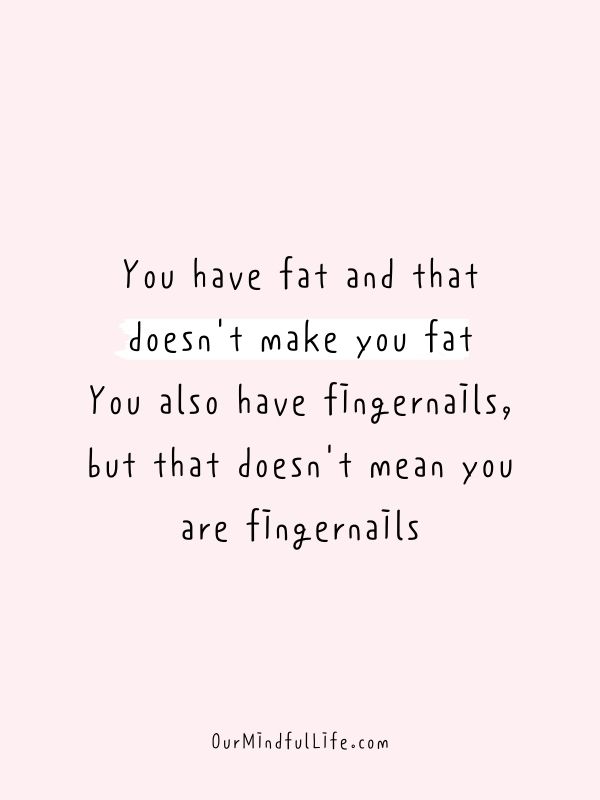
Later I’ll tell you just how dangerous skinny body dysmorphia can get, so please hang on if you’re already feeling skeptical.
Guess what?
Body dysmorphia affects EVERYONE.
Everyone.
Absolutely everyone.
Yesterday I had random and separate body dysmorphia conversations with two different people I know.
One is a strong, beautiful, athletic friend who teaches other people about nutrition and fitness.
The other is a young, impressively motivated endurance athlete, who’s goals far exceed any that I had at that age.
And he’s also male.
That’s right. Body dysmorphia wreaks havoc on men too.
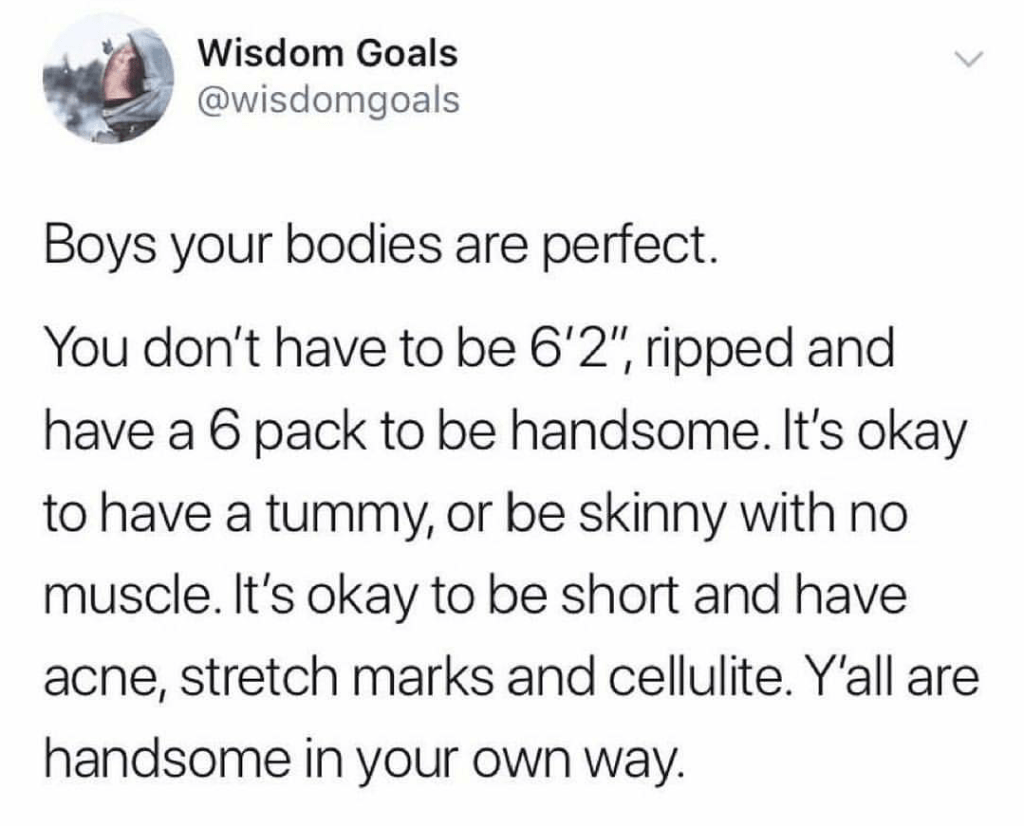
These are two people I care about deeply. And two I never want plagued with body issues.
The bad news is they struggle with it.
The good news is they realize that and fight back.
And the sad truth is it’s proof athletes fight with body dysmorphia in a big way.
For one thing, we’re constantly comparing ourselves to other, faster, stronger, leaner athletes. Competitive athletes are, by definition, competing with each other.
And let’s be honest…
…most gym environments foster body comparisson and have at least one dolled up girl in leggings and a sports bra and at least one jacked man in a muscle shirt.
The pillars for which many of us compare our bodies.
And guess what else? Those folks probably struggle with body image too.
Another place athletes frequent, just like everyone else, is social media. Many of us follow athletes we find inspiring.
And then we, maybe without realizing it, compare our own bodies, activities, and performance to those people.
I have a friend whom I love dearly. She’s a former personal trainer and a ballsy mountain bike chick. I have the bad habit of comparing myself to her because she’s just so awesome.
She works hard to stay in shape, but she’s also well aware of body dysmorphia. She’s confided in me that even Instagram plagues her with the opportunity to compare herself to other athletes because she follows the athletes she admires.
Even the strongest and outwardly amazing people struggle with social media.
This is why I’ve stopped scrolling on Facebook and I’ve switched my Instagram feed to animal rescues and cat fosters.
Pretty tough to compare my own body to that of a two-day-old kitten who’s bottle feeding.
I once had the opportunity to sit across the table from Mirna Valera, The Mirnavator. She started as blogger, Fat Girl Running, and has grown into a public figure in support of breaking the body type stigma in running.
Guys, if you want a reminder that body type has absolutely nothing to do with the body’s ability to do incredible things, get to know Mirna’s writing.
The meal I shared with her was during the TransRockies Run, a 6-day, 120-mile mountain run with 20,000′ of gain.
This Runner’s World article was published two months before TransRockies.
We both finished the fifth day around the same time and found ourselves eating dinner across the table from each other well after most of the runners finished that day.
I’m so in awe of her and her fantastic humility, despite her growing celebrity, that I sat intimidated and quiet.
Me. Quiet.
That’s how powerful she is.
Anyway, in writing this, I thought about going into the history of my weight gain, but that’s pretty boring, it’ll take too long, and will only detract from my point.
I’ll only say that in the past several years, I’ve been fixated on the 20-25 pounds I’ve gained in my mid-30s. I’d think about it constantly, especially while driving because it would be more pronounced in my middle and it would jiggle whenever I’d hit a bump.
I’d worry that Steve would stop being attracted to me because I’m no longer the extremely skinny and lean body I was when we met.
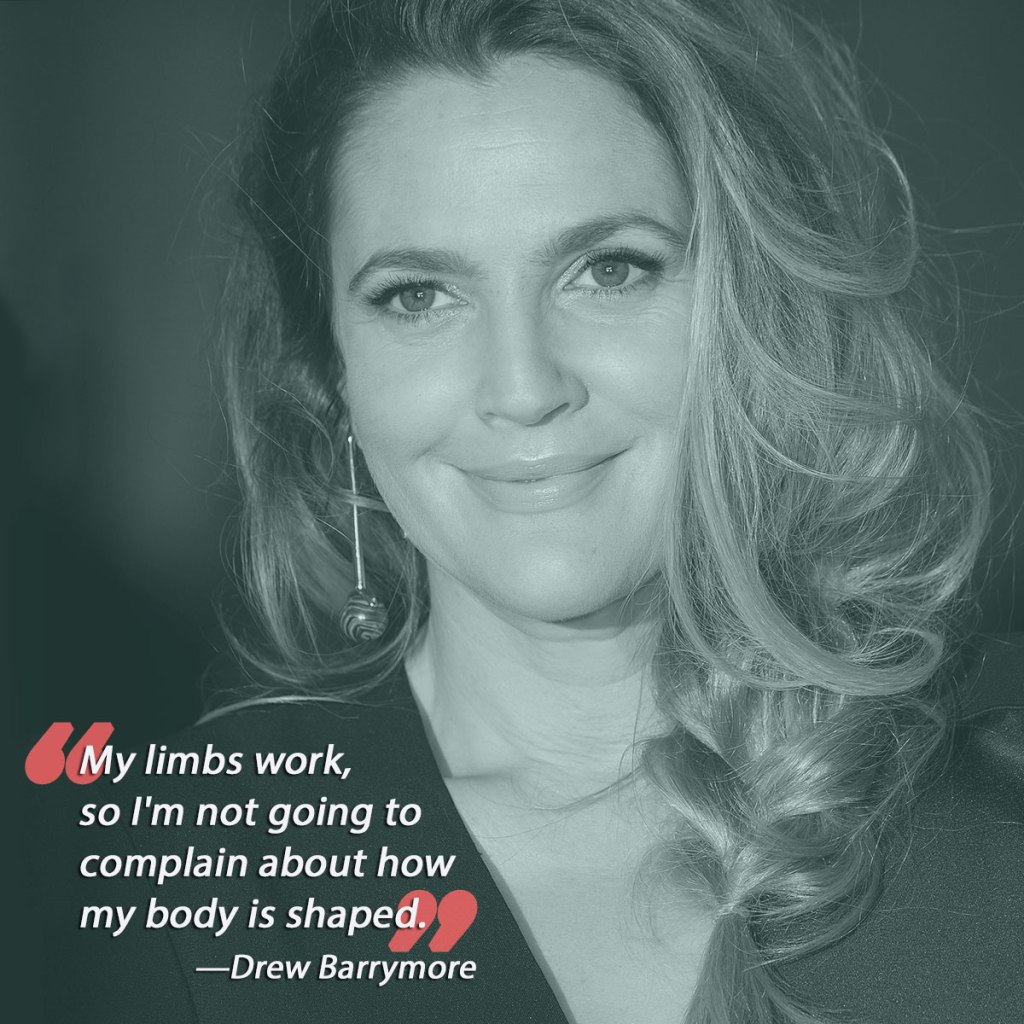
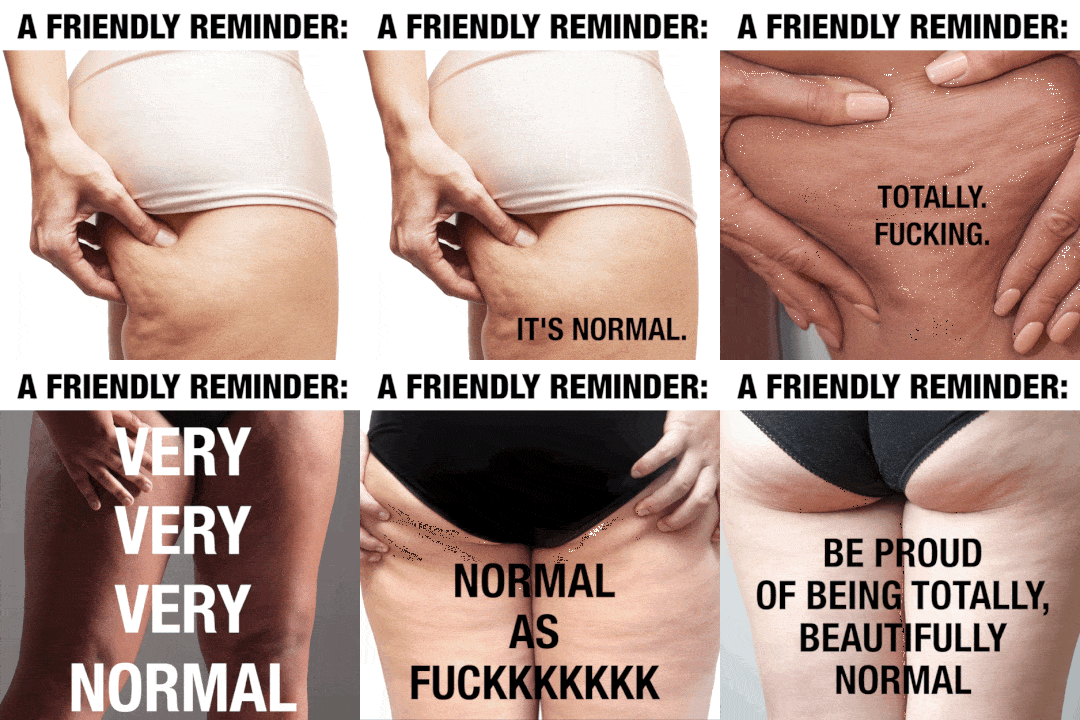
I’d worry about wearing the same running shorts as always because of the spreading cellulite on my legs.
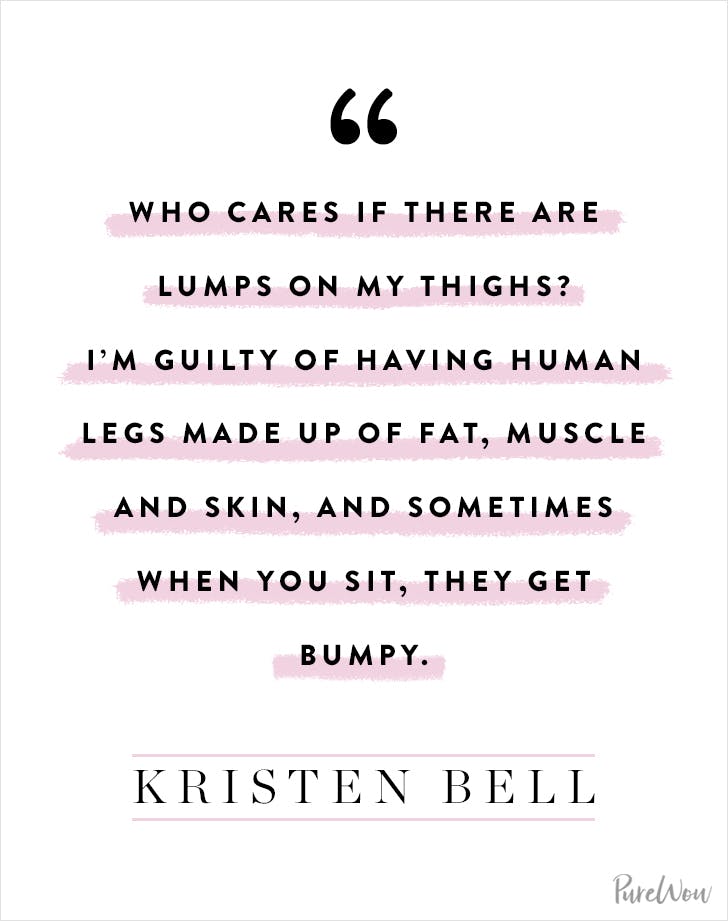
I’d reluctantly buy bigger clothes, let out my belt, let out my watch band, and mentally beat on myself for not exercising more.
While training for my race last month, my weight didn’t change and I admit I was really, really hyper-focused on that. Irritated and disappointed, even.
How is it possible to be training for 100 miles and not lose any weight?
I tried to accept that it’s because of my age and the anti-depressants.
(Yes, I take anti-depressants and I’m not ashamed of it. They keep me mostly out of the dark and dangerous places that I fall into without them. They are critical to my health.)
But trying to accept my weight never really made a dent on the shame and frustration I felt about it.
Want to hear something ridiculous about this?
When I was 19 and so skinny that I was often criticized, I was driving a boyfriend home from college and he pointed at my thigh and said, “ew, you have craters in your legs.”
That’s the exact moment I became self conscious about cellulite.
Anyway, in the last weeks of my training, when I was exercising the most, and had stopped drinking during the week, I started to see a change.
And with the weight change, came a change in my feelings about myself. A pride.
At the time, I’d say the pride was still within healthy limits.
Race day came and went and remains one of the most amazing experiences of my life. After all, I did this race for the experience and adventure of it. I didn’t do it to lose weight.
I’ll say it again: I didn’t do 100 miles to lose weight.
After 100 miles, my already high metabolism skyrocketed.
I couldn’t get around very well because my foot bottoms were 50% blisters on blisters. We didn’t have any of my food staples in the house, and I wasn’t up for going to the grocery store yet.
So, I didn’t eat.
For the first week or two after, I probably ate one meal a day and that’s it.
I should’ve been eating A LOT more than that.
This is where the very dangerous part started.
I suddenly started to notice the cellulite on my legs was gone.
That my tummy was flat again.
That my hip bones were visible again.
And worst of all, that the scale read in the 150s instead of the 175s.
A woman complimented my legs at Walmart.
I was excited and proud and happy even.
I became obsessed with the weight loss and the 150s on the scale. I started to weigh myself every day.
When I started eating normally again, I began, once again, to beat on myself.
I started thinking about how I’d lose that 150s advantage, that my belly would come back, and I’d lose my hip bones again.
I started considering whether or not I could maintain the starving lifestyle instead.
Guys, I really, really thought long and hard about this.
Looking back on this now, I have tears in my eyes and a heavy, heavy sadness on my heart.
My body had just given me an incredible dream come true–one I thought I’d never accomplish–and all I wanted from it was to be skinny.
Even though the skinniness was happening because I was starving.
You may have noticed that I’m writing about this in past tense.
This experience is in the past, barely, but not really.
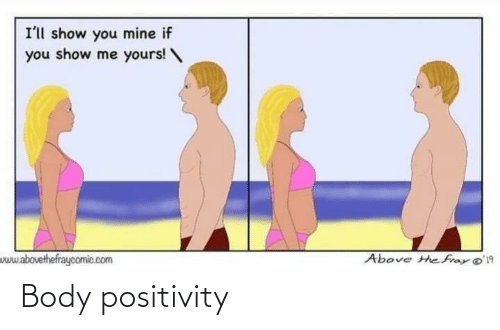
I still think about my flat tummy and my hip bones more often than is healthy.
I still find myself walking around trying to suck in my belly, even when I’m home by myself and no one cares anyway.
The difference is I just happily ate a cheese and egg sandwich with cream cheese and avocado and loved it because it’s basically art.
And because it was so, so, SO good.
So circling back to the two athletes I happened to talk to yesterday and adding my own recent experience–one of several.
Some might look at athletes and assume we’re hunky-dory, that we’re fit, mentally healthy, we eat well easily, and our bodies are exactly what we want them to be…
…otherwise why would we work so hard on them?
In my own experience and in talking with others, I think it’s usually quite the opposite.
We are fighting with ourselves to be a little bit leaner, a little bit stronger, a little bit skinnier.
Some of us are trying to fight back on that urge–to love our bodies and what they do, flaws and all.
I think most everyone looks in the mirror and immediately sees their flaws.
I think what I’m going to do as part of my healing is to do that (because I doubt I’ll be able to stop) and then look for something I love about my body and stare at it for a bit.
I’m going to work out because I can, not because I have to.
I’m going to eat as much cheese as I want.
I’m going to choose workouts that make me feel strong because I love them instead of choosing them because they might make me lose weight.
I’m going to compliment people’s outfits and their hair and their attitudes and their smiles.
I’m going to stand up tall instead of slouching.
And most importantly, I’m going to try to remind myself that my body gives me so many gifts. It’s not a vessel for starving or punishment. It’s not something to look at as wrong or flawed.
Just as I’ve embraced and fallen in love with my weird personality, so too will I work toward embracing and falling in love with my body.
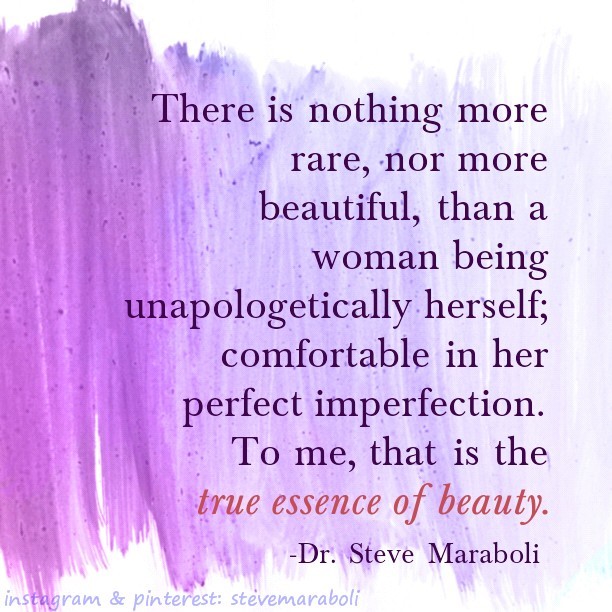
For anyone seeking to do the same, let me just endorse yoga for a second.
Yoga is one of the only activities that teaches us to embrace our differences instead of compare them, to love our bodies just as they are, and to appreciate ourselves and what we can do over and over and over again.
Also, if you struggle with this stuff or something similar, please go follow @foodfreedomtherapist on Instagram. Do it right now.
I’m telling you to do this because Cherie (the food freedom therapist) has been through the thick of this. She became an eating disorder and body image counselor–despite warnings of how hard it would be–because she found her way through her own eating disorder and body dysmorphia, even after two babies.
Cherie is the queen of queens. Just look at her.

Anyway, if you choose to follow her, each day you’ll see a reminder to love yourself and to shed the bad feelings you have about your body and diet. And it works. And sometimes she’ll even make you laugh.
So look. I’m very open to discuss this with anyone feeling similar or feeling opposed. Leave me your comments and your concerns alike. If I can’t help, I’ll offer someone who can.
This isn’t my usual soapbox moment, this is an open door to a conversation we ought to have about things that can bond us. Hopefully.
Last, I want to leave you with this blog post, Can Heavy Be Healthy?
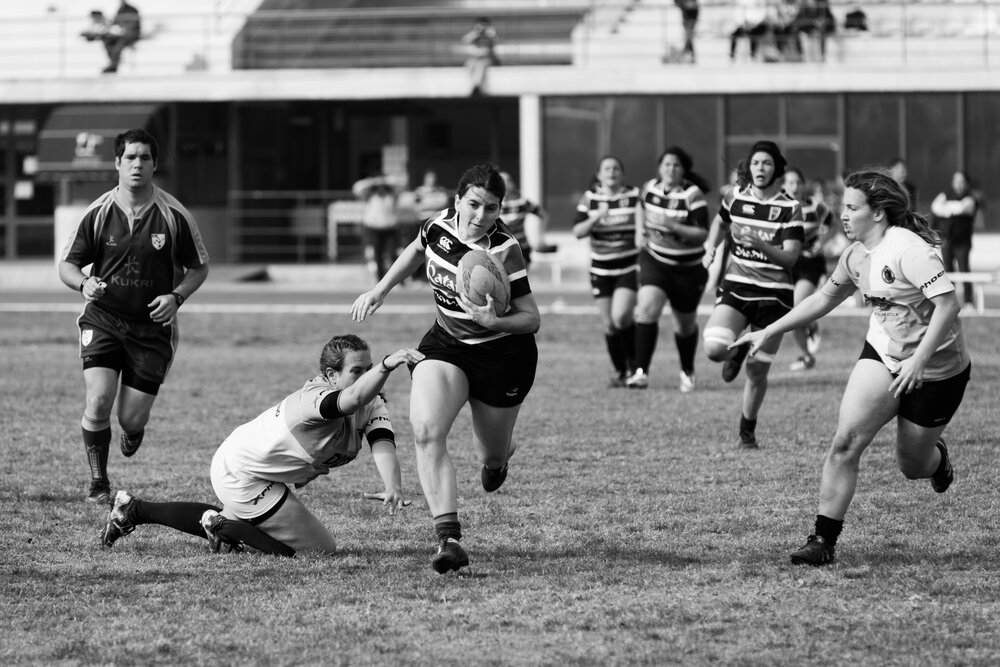
It’s written by a close friend of mine, Alan Greening, a coach and an extremely well-read human surrounding health, nutrition, and the science of the body’s function.
When I read this post, I was able to let go of a lot of the [untrue] feelings I have about my body image, weight gain, and lifestyle.
At the very end, Alan makes some nutrition suggestions, which I was trying to avoid doing here.
But I will say that when I eat the way he’s suggesting, my body feels better, my gut issues go away, and I stop feeling like I’m going to crap my pants in the middle of my runs.
There’s’ definitely something to clean eating, not that either of us don’t dive into the occasional bread basket or pizza or Fireball shot.
After all, we’re human, right?
 The Pickle Writer
Wow! What a topic! I can appreciate so many things in this. It makes me sad that you, and so many others including myself, have had to deal with this. I KNOW what it’s like to be “thinny” and have problems with body image. It only takes one comment like “Gee, you must have had a real weight problem in your past because you have a lot of cellulite on the back of your legs” to slam the door shut on exposing the legs. Or, “You’ve reached an age when it’s really not a good idea to wear a two-piece,” which was said when I was not even 50! Then, the arms, or should I say, “bat wings.” The woman I admire so much is 75 and daily displays not only her bat wings, but very wrinkled arm skin and truly doesn’t care. She glows from inside, which makes her so beautiful.
I remember a period of your life when you wouldn’t show your feet. It was such a joy when you finally felt ok enough with them that you started wearing sandals.
I completely get this whole body shaming thing. It’s a good suggestion to stand in front of the mirror and really spend some time admiring the good qualities. I’m glad you mentioned that. I really like Drew Berrymore’s words.
After my knee surgery, I did not want to show the world how my left knee looked. On a recent solo hike, I was too hot so unzipped and removed the lower legs of my hiking pants. My GOD! Now my pants legs were 6” ABOVE my knees! I immediately felt the fresh air on them, the warmth of the sun, and i felt GREAT! Off I went, happy as could be, not even giving a thought about that left knee when people approached. I was just so darn happy to have those snazzy new knees that could even take me on that 8 mile hike. I’m not saying that I won’t feel like I’m being judged when I show them again, but hopefully, I will realize that I am the one judging, and 99% of the time, not others.
I can understand how you began to feel bad about your own body, your concerns and “what ifs.” Yes, even thin people go through that. It becomes what feels like a never-ending cycle. I am so grateful that you take the time to truly look at issues and look for solutions. Then, you go even further and share with people in hopes they will become aware. This is what I, and so many others, love about you. You make a difference in the lives of others.
This is an outstanding piece of writing that many people, hopefully, will read and think about what you’ve shared. I will read this many times and give it serious thought.
With love,
Mom
>
LikeLiked by 2 people